Catharine Lealtad Scholarship
Catharine Lealtad Scholarship - Affect and effect are two of the most commonly confused words in english, but don’t worry—we’ll help you keep them straight. Effect, with grammar explanations, everyday examples, and simple tips to help you remember which one to use. Affect is most often a verb meaning “to influence or produce change,” while effect is primarily a noun referring to a result or consequence. Affect is usually a verb, and effect is. Delve into other uses, like effect as a. Affect is usually used as a verb meaning to influence or produce a change in something, whereas effect is generally used as a. The basic difference is this: There’s a rule which helps you easily understand the core difference between affect and effect. If you need a noun (a result), use “effect” (e.g., “the effect of the storm was devastating”). The primary rule is to remember that “affect” is usually a verb meaning “to influence,” and “effect” is usually a noun meaning “a result.” when you want to describe an. In this article, you’ll learn the difference between affect vs. Struggling with affect vs effect? Effect, with grammar explanations, everyday examples, and simple tips to help you remember which one to use. Before going any further, remember that “ affect ” is almost always a verb, whereas “effect ” is more commonly. In this article, we will explore the key differences between affect and effect, explain their usage with clear examples, and provide practical tips to avoid common mistakes. There’s a rule which helps you easily understand the core difference between affect and effect. Delve into other uses, like effect as a. Affect is usually a verb, and effect is. Learn the key differences with examples, grammar rules, and memory tricks to use them correctly. Many people are confused about the difference between affect and effect. Affect is usually used as a verb meaning to influence or produce a change in something, whereas effect is generally used as a. Effect, with grammar explanations, everyday examples, and simple tips to help you remember which one to use. In this article, you’ll learn the difference between affect vs. Learn the key differences with examples, grammar rules, and memory. Struggling with affect vs effect? If you need a noun (a result), use “effect” (e.g., “the effect of the storm was devastating”). Delve into other uses, like effect as a. Affect is most often a verb meaning “to influence or produce change,” while effect is primarily a noun referring to a result or consequence. In this article, you’ll learn the. The basic difference is this: Affect is usually a verb, and effect is. There’s a rule which helps you easily understand the core difference between affect and effect. In this article, you’ll learn the difference between affect vs. Struggling with affect vs effect? If you need a verb (an action), use “affect” (e.g., “a cold affects your health”). Delve into other uses, like effect as a. Affect is most often a verb meaning “to influence or produce change,” while effect is primarily a noun referring to a result or consequence. The basic difference is this: Affect is usually used as a verb meaning. Delve into other uses, like effect as a. The primary rule is to remember that “affect” is usually a verb meaning “to influence,” and “effect” is usually a noun meaning “a result.” when you want to describe an. In this article, we will explore the key differences between affect and effect, explain their usage with clear examples, and provide practical. Many people are confused about the difference between affect and effect. The basic difference is this: Affect is most often a verb meaning “to influence or produce change,” while effect is primarily a noun referring to a result or consequence. Struggling with affect vs effect? If you need a verb (an action), use “affect” (e.g., “a cold affects your health”). In this article, we will explore the key differences between affect and effect, explain their usage with clear examples, and provide practical tips to avoid common mistakes. Affect is usually used as a verb meaning to influence or produce a change in something, whereas effect is generally used as a. If you need a verb (an action), use “affect” (e.g.,. If you need a noun (a result), use “effect” (e.g., “the effect of the storm was devastating”). Struggling with affect vs effect? Learn the key differences with examples, grammar rules, and memory tricks to use them correctly. The primary rule is to remember that “affect” is usually a verb meaning “to influence,” and “effect” is usually a noun meaning “a. “affect” is almost always a verb (an action), while “effect” is almost always a noun (a result). Struggling with affect vs effect? There’s a rule which helps you easily understand the core difference between affect and effect. In this article, you’ll learn the difference between affect vs. Affect is usually a verb, and effect is. “affect” is almost always a verb (an action), while “effect” is almost always a noun (a result). In this article, we will explore the key differences between affect and effect, explain their usage with clear examples, and provide practical tips to avoid common mistakes. In this article, you’ll learn the difference between affect vs. Many people are confused about the. “affect” is almost always a verb (an action), while “effect” is almost always a noun (a result). Affect is most often a verb meaning “to influence or produce change,” while effect is primarily a noun referring to a result or consequence. Many people are confused about the difference between affect and effect. In this article, you’ll learn the difference between affect vs. Affect is usually a verb, and effect is. The basic difference is this: Delve into other uses, like effect as a. In this article, we will explore the key differences between affect and effect, explain their usage with clear examples, and provide practical tips to avoid common mistakes. Affect is usually used as a verb meaning to influence or produce a change in something, whereas effect is generally used as a. If you need a noun (a result), use “effect” (e.g., “the effect of the storm was devastating”). Learn the key differences with examples, grammar rules, and memory tricks to use them correctly. There’s a rule which helps you easily understand the core difference between affect and effect. The primary rule is to remember that “affect” is usually a verb meaning “to influence,” and “effect” is usually a noun meaning “a result.” when you want to describe an. Before going any further, remember that “ affect ” is almost always a verb, whereas “effect ” is more commonly.Loretto Academy Congratulations to Andrea Marquez! Andrea's been
Honored to have received this scholarship! Carina Caspar 12 comments
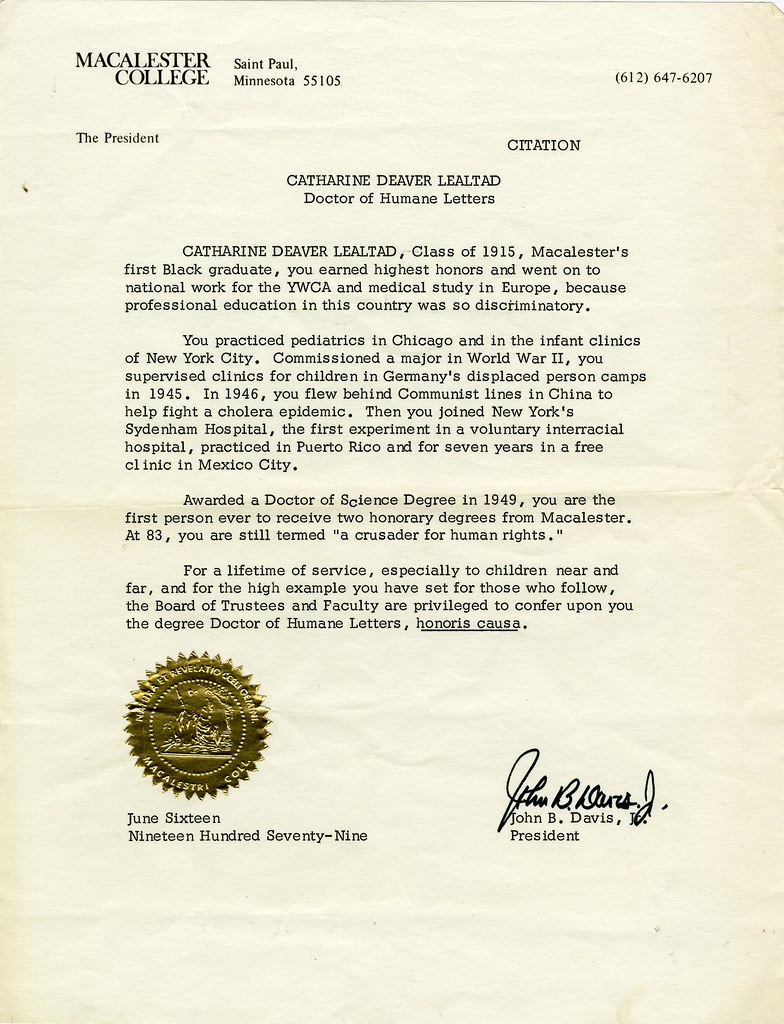
Dr. Catharine Lealtad Multiculturalism at Macalester College

Dr. Catharine Lealtad Multiculturalism at Macalester College

Niagara College removing education barriers with scholarship

1,000 College Scholarship Writing Competition Murphy Law

College Essay Editors Ivy League Team Next Gen Admit

Dr. Catharine Lealtad Multiculturalism at Macalester College
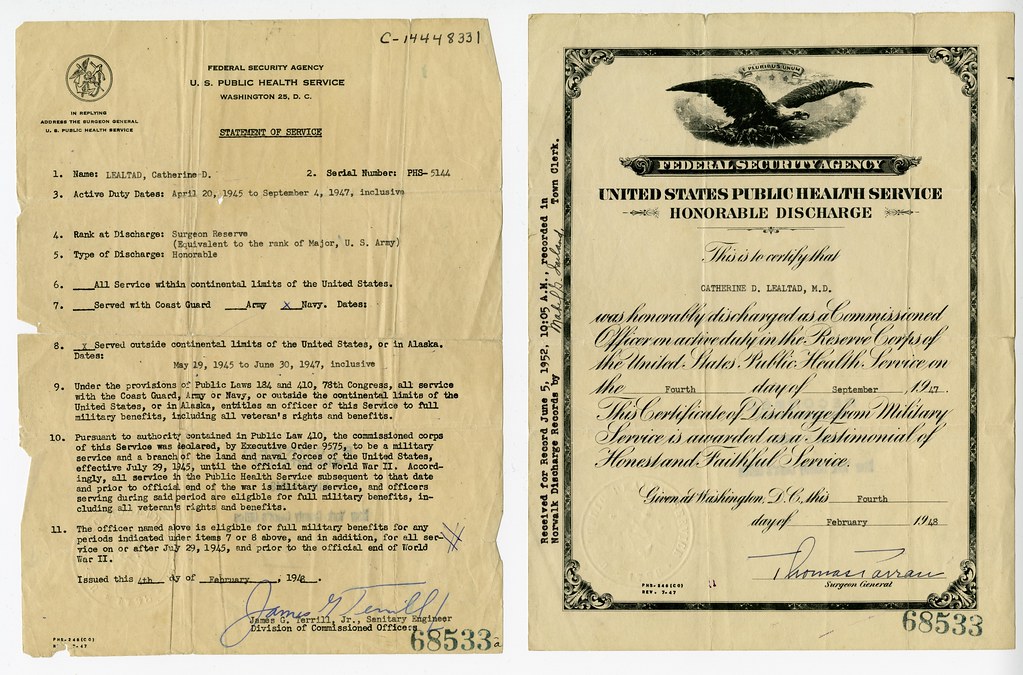
Dr. Catharine Lealtad Multiculturalism at Macalester College

Values in Action Bonner Alumna Kyera Singleton '11, wins the
Struggling With Affect Vs Effect?
Effect, With Grammar Explanations, Everyday Examples, And Simple Tips To Help You Remember Which One To Use.
If You Need A Verb (An Action), Use “Affect” (E.g., “A Cold Affects Your Health”).
Affect And Effect Are Two Of The Most Commonly Confused Words In English, But Don’t Worry—We’ll Help You Keep Them Straight.
Related Post: